
No Talks, Closed Strait: U.S.–Iran Crisis Threatens Global Energy Security
Shibbir Ahmed প্রকাশিত: ১৯ আগস্ট, ২০২৬, ০৮:০৮ পিএম
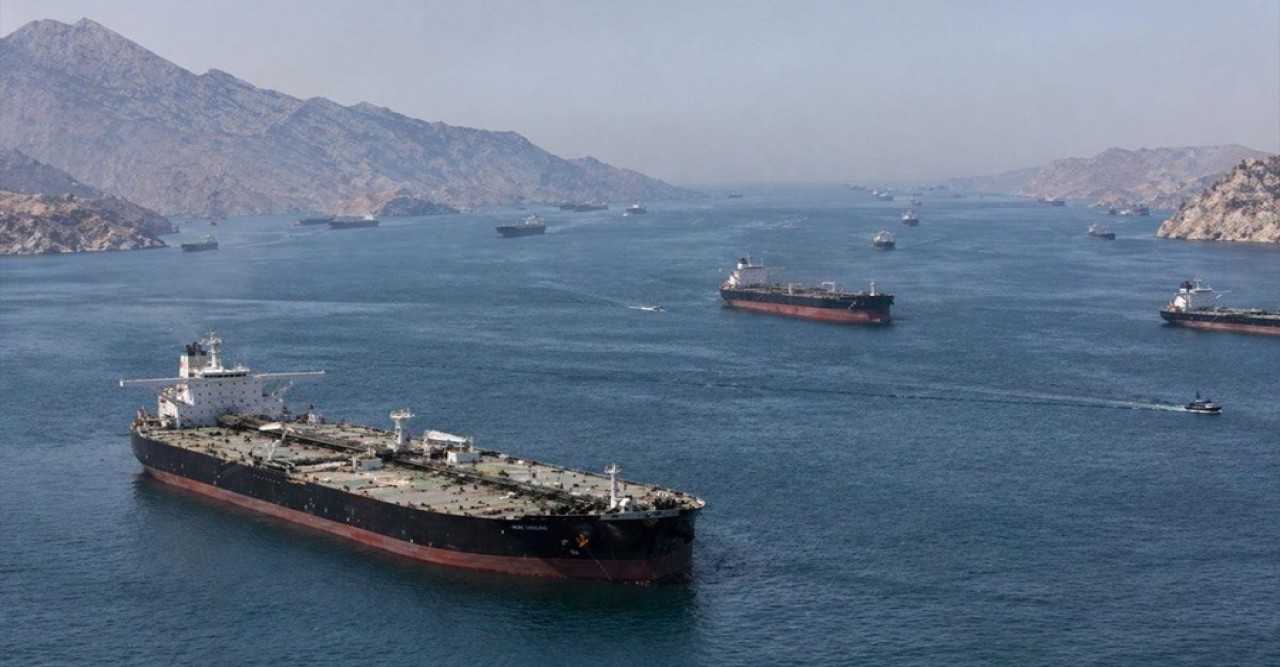
Shibbir Ahmed, New York: U.S. President Donald Trump has ruled out any immediate negotiations with Iran, as the standoff over the strategically vital Strait of Hormuz deepens and uncertainty over global energy supplies continues to grow. Trump said Tuesday, August 18, that no talks were currently taking place with Tehran and that none were scheduled. His comments came as Iran insisted that the Strait of Hormuz remains closed to shipping and said the waterway would stay shut until the United States meets its demands.
The conflicting claims have added to uncertainty surrounding one of the world's most important energy corridors. The Strait of Hormuz carries roughly one-fifth of global crude oil and liquefied natural gas shipments, making prolonged disruption a major concern for energy markets and the global economy.
No Talks With Tehran
Trump's statement marked a sharp departure from earlier suggestions that diplomatic contacts might resume. Iran has indicated that it is willing to discuss the conflict, but Tehran has demanded significant concessions, including an end to the U.S. blockade, the release of frozen Iranian assets and other measures before normal shipping through the strait can resume.
Trump, however, has rejected the idea that Washington is currently negotiating with Tehran and has continued to maintain pressure on Iran.
The breakdown follows the expiration of a 60-day U.S.-Iran memorandum that had been intended to provide time for negotiations toward a broader agreement. The arrangement expired without a lasting peace deal, leaving the two sides further apart.
Hormuz Traffic Falls Sharply
Despite Trump's assertion that the Strait of Hormuz is open, commercial shipping through the waterway remains severely restricted. According to Kpler data cited by Reuters, only six commodity vessels passed through the strait on Tuesday, down from nine the previous day and below the recent average of about 11 daily transits. Major shipowners continue to avoid the waterway because of security concerns.
The decline in shipping has raised concerns about the continued flow of oil and gas from the Persian Gulf. China, one of the world's largest buyers of Middle Eastern energy, is particularly exposed to the disruption. Two major Chinese shipping companies that previously transported a substantial share of China's Middle Eastern oil imports have stopped operating through the Strait of Hormuz and Bab al-Mandeb.
Oil Prices Under Pressure
The uncertainty has already affected global energy markets. Brent crude was trading around $91.20 a barrel on Wednesday, August 19, while U.S. West Texas Intermediate crude was around $85.10 a barrel. Both benchmarks had reached their highest levels since late July before retreating slightly.
Analysts say the continuing risk surrounding Hormuz is keeping a geopolitical premium in oil prices. If the disruption persists or the conflict escalates, crude prices could move substantially higher again.
The implications extend beyond gasoline and transportation costs. Higher energy prices can increase inflationary pressure, raise production and shipping costs, and complicate economic policy for governments around the world.
Iran Says Strait Will Remain Closed
Iran has maintained that the Strait of Hormuz will remain closed until Washington meets conditions Tehran considers necessary for reopening the waterway. The Iranian position directly contradicts Trump's assertion that the strait remains open and safe.
The standoff has effectively created two competing realities: Washington says commercial shipping can use the waterway, while Tehran maintains that normal passage will not resume until its demands are addressed. That uncertainty itself has become a major problem for shipping companies, insurers and energy traders.
Regional Tensions Escalate
The crisis is no longer limited to the United States and Iran. The United Arab Emirates announced Wednesday that it had suspended financial and economic transactions with Iran following what it said were Iranian missile launches toward maritime areas. Iran denied the UAE's allegations.
The UAE's decision represents another significant escalation because the country has historically been an important commercial and financial channel for Iran despite extensive U.S. sanctions. The crisis has also affected shipping beyond the Gulf, with security concerns extending to the Red Sea and the Bab al-Mandeb waterway.
Washington and Tehran Remain Far Apart
The collapse of the latest diplomatic effort leaves little indication of an immediate breakthrough. Iran wants sanctions relief, an end to the U.S. blockade, the release of frozen assets and compensation related to the conflict. Trump has rejected Iran's demands and has continued to apply economic and military pressure.
Both sides have also accused the other of blocking the path to peace. The result is a dangerous stalemate: the United States says it wants Iran to accept an agreement on its nuclear program and broader security concerns, while Tehran insists that Washington must first change its own military and economic policies.
Global Economic Consequences
The Strait of Hormuz crisis is being closely watched far beyond the Middle East. A prolonged disruption could affect energy-importing economies across Asia and Europe, particularly countries heavily dependent on Gulf oil and gas. Higher crude prices could also increase inflation at a time when central banks are attempting to balance economic growth with price stability.
Reuters reported that financial markets have already been reacting to the broader U.S.-Iran confrontation, with concerns over energy disruptions contributing to higher borrowing costs and renewed inflation fears.
A Critical Test for Diplomacy
For now, the immediate question is whether Washington and Tehran can return to negotiations before the Hormuz crisis becomes a longer-term disruption to global trade. Trump has ruled out current or scheduled talks, while Iran continues to link the reopening of the waterway to political and economic concessions.
Meanwhile, commercial vessels are avoiding the strait, oil prices remain elevated and regional tensions continue to spread. The longer the standoff lasts, the greater the risk that the Strait of Hormuz becomes not only a flashpoint in the U.S.-Iran conflict but also a major source of instability for the global economy.
For the international community, the stakes extend well beyond the Middle East: the future of one of the world's most important shipping routes—and the stability of global energy markets—may depend on whether diplomacy can be restored.