
U.S. Sanctions ICC President and Senior Official
Shibbir Ahmed প্রকাশিত: ১৯ আগস্ট, ২০২৬, ০৮:০৮ পিএম
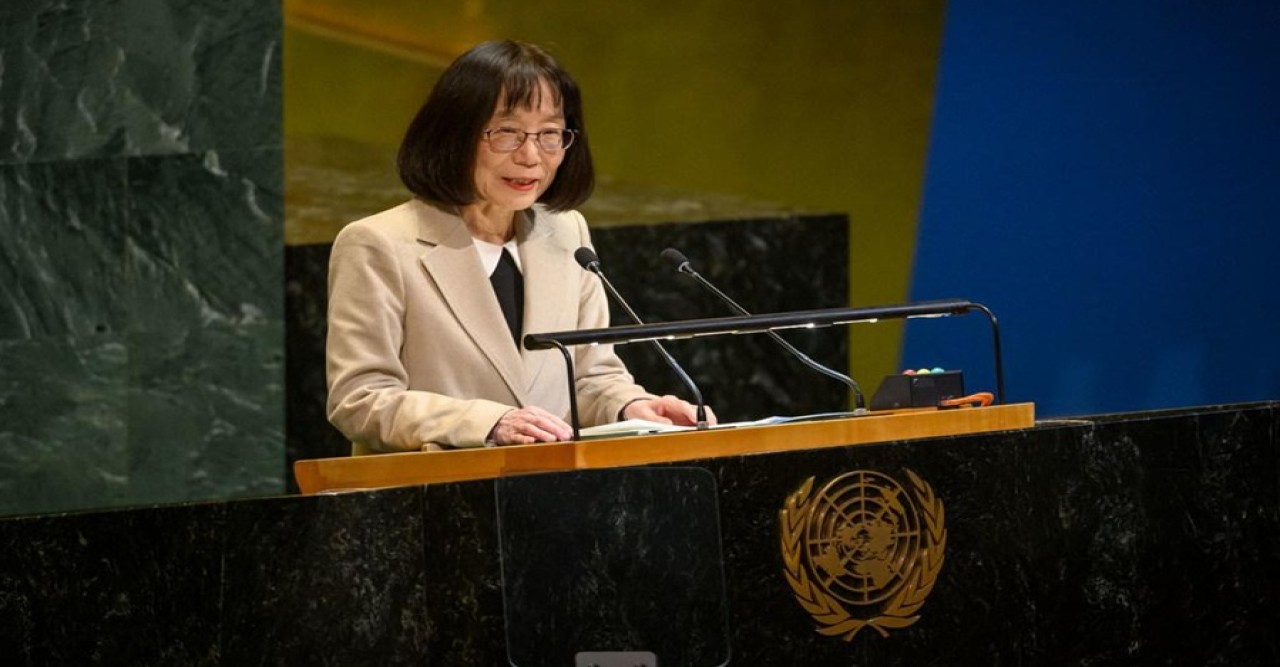
Shibbir Ahmed, New York: The United States has imposed sanctions on International Criminal Court (ICC) President Tomoko Akane and senior trial lawyer Abdoulaye Sey. U.S. Secretary of State Marco Rubio announced the sanctions on Tuesday, August 18. On Wednesday, August 19, Japan, the ICC and the Netherlands expressed opposition to the move.
The Trump administration accused Akane and Sey of being directly involved in efforts to investigate, arrest, detain or prosecute government officials and nationals of countries that have not accepted the ICC’s jurisdiction. The dispute between Washington and the court has intensified particularly over the ICC’s arrest warrants for Israeli Prime Minister Benjamin Netanyahu and former Defense Minister Yoav Gallant.
Akane and Sey Added to U.S. Sanctions List
Tomoko Akane, a Japanese national, has served as president of the ICC since 2024. She is the court’s sixth president and the first Japanese national to hold the position. Abdoulaye Sey, a Senegalese national, is a senior trial lawyer at the ICC. He was part of the prosecution team involved in seeking an arrest warrant for Israeli Prime Minister Benjamin Netanyahu. Sey has also been nominated for election as an ICC judge.
According to the U.S. Treasury Department’s sanctions list, Akane and Sey have been designated as Specially Designated Nationals (SDNs). As a result, any property or property interests they hold within U.S. jurisdiction will be blocked, and U.S. citizens and companies will generally be prohibited from conducting transactions with them. The U.S. Treasury Department also issued a general license on August 18, allowing certain transactions involving Akane and Sey to be wound down until September 17.
Why Did the U.S. Impose the Sanctions?
Secretary of State Marco Rubio said Akane and Sey were directly involved in ICC efforts to investigate, arrest, detain or prosecute officials from countries whose governments have not accepted the court’s jurisdiction. Rubio has accused the ICC of exceeding the limits of its authority and said its actions pose a threat to U.S. sovereignty. The Trump administration has repeatedly argued that the ICC has sought to expand its jurisdiction by taking legal action against officials from the United States and its close ally, Israel.
Neither the United States nor Israel is a member of the ICC. Under the Rome Statute, however, the court can exercise jurisdiction over certain international crimes committed on the territory of a member state, including in circumstances involving nationals of non-member countries.
ICC Arrest Warrants for Netanyahu and Gallant
The ICC issued arrest warrants in November 2024 for Israeli Prime Minister Benjamin Netanyahu and then-Defense Minister Yoav Gallant in connection with alleged war crimes related to the Gaza conflict. The decision further intensified tensions between Washington and the ICC. The Trump administration has since imposed several rounds of sanctions against officials associated with the court.
Former ICC Prosecutor Karim Khan, along with several judges and other court officials, had previously been placed under U.S. sanctions. The addition of Akane and Sey further expands the list of ICC officials targeted by Washington.
ICC Condemns U.S. Action
Following the latest sanctions, the ICC strongly condemned the U.S. decision on Wednesday. The court described the move as a serious attack on judicial independence and a threat to the international rule-of-law system. The ICC said that when judicial officials face threats and pressure for carrying out their legal responsibilities, it puts not only the independence of the court but the broader international justice system at risk.
The court also warned that such coercive measures could undermine the ability of victims of war crimes and other serious international crimes to seek justice.
Japan Voices Rare Criticism
Japan has criticized the United States over the sanctions imposed on its citizen and ICC President Tomoko Akane. On Wednesday, Japan’s Foreign Ministry described the U.S. decision as “very unfortunate.” Tokyo said it has long supported the ICC’s efforts to ensure accountability for the most serious crimes of concern to the international community.
Japan also reaffirmed its commitment to strengthening the rule of law within the international community and said it would continue discussions with relevant countries on the issue. The public criticism from Japan, a close U.S. ally, is considered significant amid growing international debate over the future of the ICC.
Netherlands Supports the ICC
The ICC is headquartered in The Hague, Netherlands. Dutch Foreign Minister Tom Berendsen has also opposed the U.S. sanctions. He said international courts and tribunals must be allowed to carry out their responsibilities independently. Berendsen also invited ICC President Tomoko Akane for discussions and reaffirmed the Netherlands’ continued support for the court.
Trump Administration's Campaign Against the ICC
The Trump administration’s current campaign against the ICC began on February 6, 2025, when President Donald Trump signed an executive order titled “Imposing Sanctions on the International Criminal Court.”
The executive order subsequently became the basis for sanctions against several ICC officials. The addition of Akane and Sey represents another escalation in Washington’s pressure campaign against the court.
In July, Rubio took an even tougher position, saying the Trump administration would intensify its campaign against the ICC. Washington has also encouraged other countries to reconsider their membership in the court.
Growing International Divide Over the ICC
The latest U.S. sanctions have further exposed divisions among Western allies over the ICC and its role in international justice. Japan and the Netherlands have defended the court’s independence, while several European countries have also expressed support for the ICC and the principle of judicial independence.
At the same time, political pressure surrounding the ICC has increased among its member states, with some countries recently discussing or considering whether to withdraw from the court.
The legality of U.S. sanctions against ICC officials is also being challenged in U.S. courts. In June, three ICC judges filed a lawsuit against the Trump administration, while human rights organizations have filed separate legal challenges. The new sanctions against Tomoko Akane and Abdoulaye Sey mark another escalation in the ongoing confrontation between the Trump administration and the ICC.
Washington argues that the court’s actions threaten U.S. sovereignty and the security of its allies. The ICC, meanwhile, maintains that pressure and sanctions against judicial officials threaten the independence of international justice and the rule of law.